
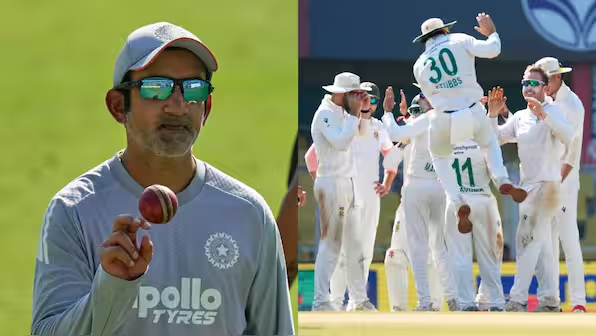
The India vs South Africa whitewash — a 0-2 series loss at home — has exposed deep cracks in selection policy, team balance and coaching approach. This article analyses why India failed to adapt, how Ranji performers were overlooked, the lack of a settled XI, pitch and match-reading failures, and the growing controversy around head coach Gautam Gambhir. We also preview the short ODI series beginning November 30, and what that format could mean for the team’s short-term recovery.
The result and the immediate fallout
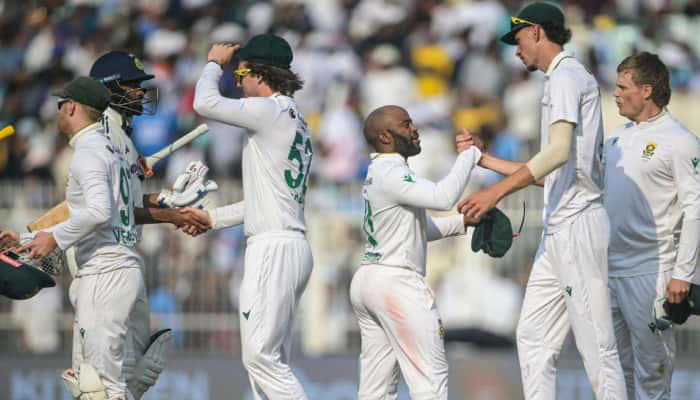
India were convincingly beaten in the 2nd Test — handing South Africa a 2-0 series whitewash on Indian soil. The match scorecards and reports show South Africa’s bowlers and middle order controlled both Tests, leaving India with few answers on movement, spin and temperament. The loss knocked India’s World Test Championship chances and sparked sharp criticism from former players and journalists.
Selection: the policy that backfired
wo recurring themes dominated post-series analysis: churn in the XI and limited scouting of form Ranji performers. Instead of rewarding consistent domestic performers with a clear pathway, the team management frequently rotated combinations — often preferring multi-role or ‘character’ picks over specialists needed for specific pitches. Critics argued this chop-and-change approach prevented players from settling into fixed roles and hamstrung the team’s balance in the longer format. Former selectors and experts publicly questioned why Ranji players with red-ball form weren’t given extended runs to press their claims
Pitch reading and tactical errors
Across the two Tests India looked slow to read conditions. On pitches offering variable bounce and assistance to seamers, India’s batting lacked the patience and technical adjustments required. Bowling changes and field settings often lagged behind match situations; South Africa’s bowlers were quicker to exploit weaknesses. The lack of an obvious, settled opening pair and the revolving middle order meant India never set a stable base — a critical mistake in Tests where partnerships win matches. Analysts, including ex-players, repeatedly highlighted a worrying absence of “intent” and match management.
Gautam Gambhir: coaching style under the microscope
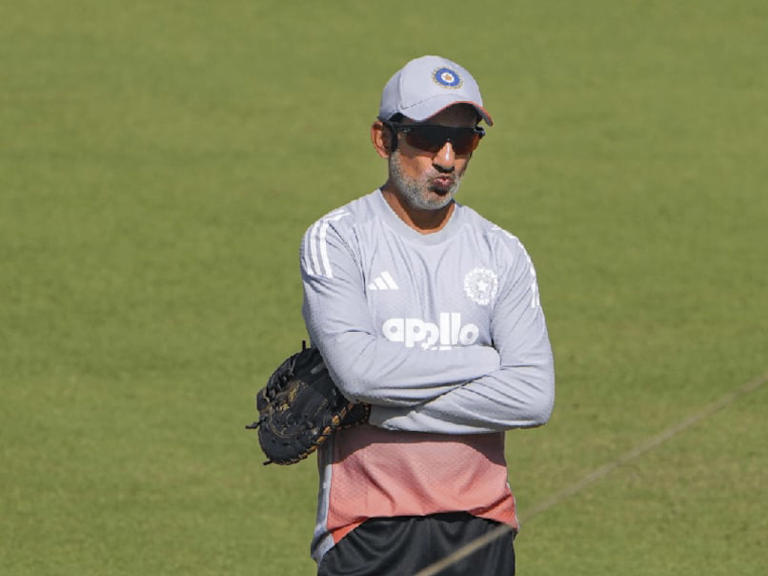
Head coach Gautam Gambhir has taken much of the public heat. While Gambhir accepted overall responsibility after the loss, former players and pundits have debated whether his emotional, high-intensity approach is the right fit for Test cricket. Some critics say his selection preferences and insistence on certain utility roles over specialist red-ball performers have left the Test side vulnerable; others, including senior figures, defended Gambhir’s past successes and urged patience. The debate has become a central storyline — the board will now face pressure to evaluate strategy, support staff inputs, and whether the long-term plan aligns with Test requirements.
Where Ranji stars should have featured
A consistent complaint from domestic observers: several Ranji players in great red-ball form didn’t get fair consideration. Test cricket rewards those who grind through domestic seasons; ignoring that pipeline risks long-term erosion of the talent feeder system. The selection committee must transparently explain how domestic performances were weighed during team selection and provide clearer pathways so regional talent isn’t bypassed for spot selections
The tactical blueprint India needed
- Set a fixed top-3 for at least three Tests to build confidence.
- Prioritise specialist bowlers on pitches that assist seam or spin rather than part-timers.
- Use domestic scouting data aggressively: give in-form Ranji openers and pacers a window.
- Match management discipline: defensive fields and patient batting when situations demand it.
These adjustments aren’t glamorous, but they are essential to succeed in the five-day format — something India lacked across both Tests.
ODI series from November 30 — a chance to reset
India shift focus quickly: an ODI series starting November 30 gives a short but important reset. The whitewash will haunt the Test unit, but the limited-overs squad can provide immediate redemption if selection and role clarity are enforced. Expect some changes: players who can switch tempo, clearer roles for finishers, and possibly new leadership combinations in white-ball cricket as management tries to steady the ship. The ODI series is also a proving ground for those looking to re-establish international credentials ahead of next year’s major ICC events.
Final verdict — lessons India must learn
The India vs South Africa whitewash is not just a loss; it is a warning. Selection inconsistency, failure to integrate domestic form into the Test XI, tactical errors on pitch reading, and coaching scrutiny all combined to produce a disappointing home result. If India want to remain a dominant Test nation, they must restore clarity: reward consistent domestic performers, settle a core Test XI, and adopt match plans that respect Test cricket’s rhythms. The ODI series starting November 30 offers a short window to rebuild confidence — but the deeper Test problems need structural fixes, not sympathy.
Further reading & sources
ESPNcricinfo match report: https://www.espncricinfo.com/series/south-africa-in-india-2025-26-1479563/india-vs-south-africa-2nd-test-1479572/match-report.
Ravichandran Ashwin on India’s lack of intent: https://sports.ndtv.com/india-vs-south-africa-2025-india/there-was-zero-intent-in-defence-ashwin-stresses-on-sai-sudharsans-approach-against-proteas-in-2nd-test-9709042
Also Read
Complete IPL 2026 Squad Retentions
Full Review of ENG vs IND 2025 Test Series
Pingback: India vs South Africa 3rd T20: All Eyes on Shubman Gill and Suryakumar Yadav as India Fight for the Lead - Cricketbuzz News